
How to Make a Wedding Budget (Step-by-Step Guide)
Planning a wedding in 2026 can feel overwhelming! And budget is that topic that will shape your entire wedding.
Between rising vendor costs, Pinterest-worthy details, and the pressure to create a perfect day, it’s easy for wedding expenses to spiral. With a thoughtful approach and a few strategic decisions, wedding budgeting can actually feel simple and empowering (yes, believe it or not!).
Here’s how to plan a beautiful wedding without losing control of your finances.
Also, hi there! Welcome to The Vow Society! We share inspiration for bridal fashion, registry ideas, planning tips, and timeless celebrations. Our hope is that this space makes your wedding journey just a little bit easierand a lot more exciting! Whether you’re looking for inspiration, practical advice, or simply a moment to enjoy dreaming about your big day, you’re in the right place.

Start With Your Total Wedding Budget
Before you even start to tour venues or reaching out to vendors, the most important step is determining your total wedding budget.
Your total budget represents the maximum amount you and your partner are comfortable spending on your celebration. Every decision you make during the planning process will ultimately be based on this number, so it’s important to establish it early!
Your wedding budget may come from a combination of sources, including:
- Your savings
- Your partner’s savings
- Contributions from parents or family members
- Additional funds you plan to save before the wedding
If family members are contributing, it’s helpful to clarify the details early. Some families offer a set amount, while others prefer to cover specific aspects of the wedding such as the rehearsal dinner or attire.
Having clear expectations from the beginning helps prevent confusion later. This is a must!
One important rule many financial planners recommend is avoiding wedding debt whenever possible. Weddings are beautiful celebrations, but they are still a single day. Starting your marriage with financial pressure can add unnecessary stress- don’t do it.
Instead, focus on creating a budget that allows you to celebrate in a way that feels special while still protecting your long-term goals.
Understand the Average Wedding Cost in 2026
Wedding costs vary significantly depending on location, guest count, and the style of celebration. However, understanding general averages can help provide useful context when you begin researching vendors.
In 2026, the average wedding in the United States typically falls between $35,000 and $50,000. Luxury weddings in major cities or destination locations often exceed $100,000. Crazy, I know right?!
Several factors influence these costs, including:
- Increased demand for experienced vendors
- Rising food and labor costs
- Custom design elements and décor
- Multi-day celebrations and destination weddings
However, the biggest factor affecting price is guest count.
Most wedding expenses are calculated per guest. Catering, rentals, bar service, invitations, and favors all increase with each additional attendee. Because of this, adjusting your guest list can have a major impact on your overall budget.
Instead of comparing your wedding to national averages, focus on building a budget that fits your specific vision and financial situation.
Prioritize What Matters Most
Every couple values different aspects of their wedding day. Some care deeply about food and wine, while others prioritize photography, music, or fashion.
Before you begin booking vendors, it’s helpful to identify your top wedding priorities.
Sit down with your partner and discuss what elements matter most to both of you.
Your priorities might include:
- A stunning venue
- Exceptional food and cocktails
- Luxury photography
- Designer bridal fashion
- Live entertainment
- Elaborate florals
- A destination wedding experience
Once you identify your top three priorities, you can intentionally allocate more of your budget toward those areas.
For example, if photography is extremely important to you, you may choose to hire a highly sought-after photographer while simplifying décor.
This approach helps ensure your wedding reflects what matters most to YOU rather than following generic expectations.
Follow a Modern Wedding Budget Breakdown
While every wedding is unique, many planners recommend dividing your budget across several major categories. This helps prevent overspending in one area while neglecting others.
A typical wedding budget breakdown might look like this:
Venue and Catering: 40–50%
Photography and Videography: 10–15%
Florals and Décor: 10–15%
Attire and Beauty: 5–10%
Entertainment: 5–10%
Wedding Planner or Coordinator: 5–10%
Stationery and Miscellaneous: 5%
For example, if your wedding budget is $60,000, you might allocate it like this:
- Venue and catering: $25,000
- Photography and videography: $8,000
- Florals and décor: $7,000
- Attire and beauty: $4,500
- Entertainment: $4,500
- Planner or coordinator: $4,500
- Stationery and miscellaneous: $6,500
Think of this breakdown as a general guideline. Some couples spend more on design and décor, while others invest more heavily in entertainment or food.
Your budget should always reflect you and your partner’s personal priorities!

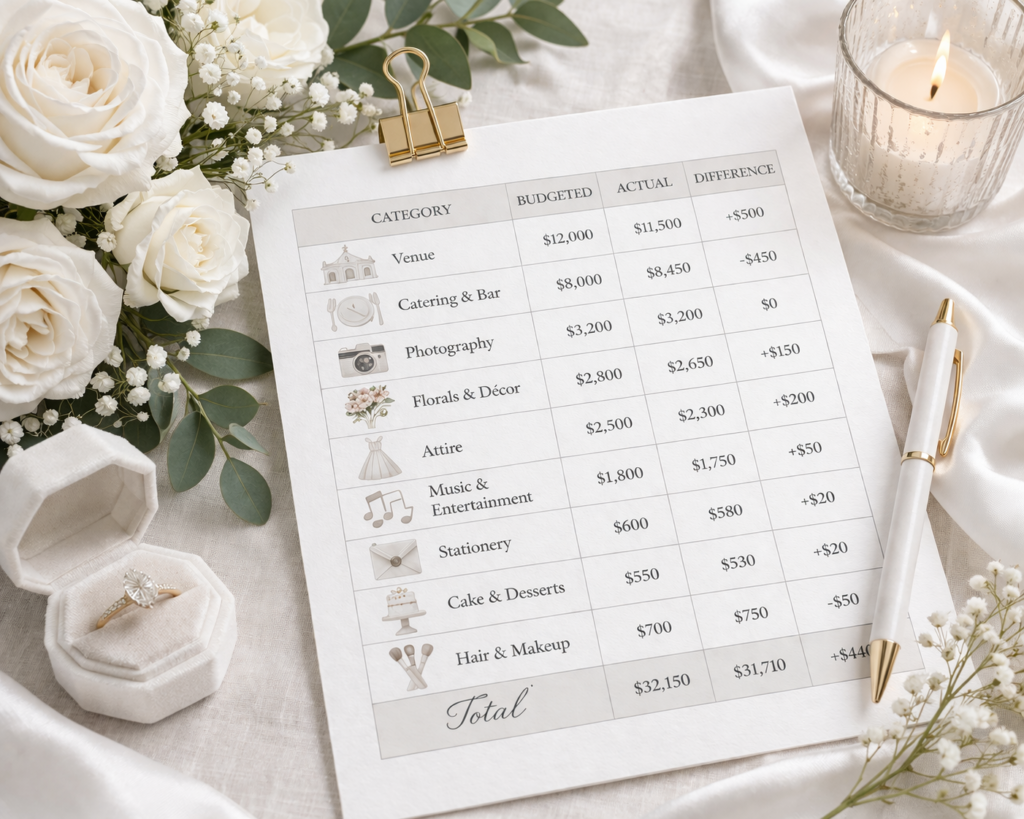
Track Every Expense in One Place
One of the easiest ways for wedding costs to spiral out of control is losing track of expenses.
Vendor quotes arrive through email, deposits are paid at different times, and contracts often include additional fees. Without a central system, it becomes difficult to see the full picture.
Creating a master wedding budget tracker can help you stay organized. We have one available for free when you sign up for our email list.
Your tracker should include:
- Vendor name
- Category (photography, venue, florals, etc.)
- Total contract cost
- Deposit paid
- Remaining balance
- Payment due dates
- Notes or extra charges
Many couples use a shared spreadsheet so both partners can monitor expenses.
Keeping everything organized in one place ensures you always know exactly how much of your budget has already been committed.
Build a 10–15% Buffer for Unexpected Costs
Even the most carefully planned weddings include a few surprises.
Small expenses tend to appear throughout the planning process, especially in the final weeks leading up to the wedding. Actually, not tend to, they WILL show up.
Common unexpected costs include:
- Dress alterations
- Vendor gratuities
- Extra rentals
- Transportation changes
- Marriage license fees
- Welcome bags or guest gifts
- Last-minute décor additions
To avoid stress, planners often recommend setting aside 10–15% of your total budget as a contingency fund.
For example, if your wedding budget is $50,000, reserving $5,000–$7,500 for unexpected costs can provide helpful flexibility.
If you don’t end up using it, that money can always go toward your honeymoon or future plans!
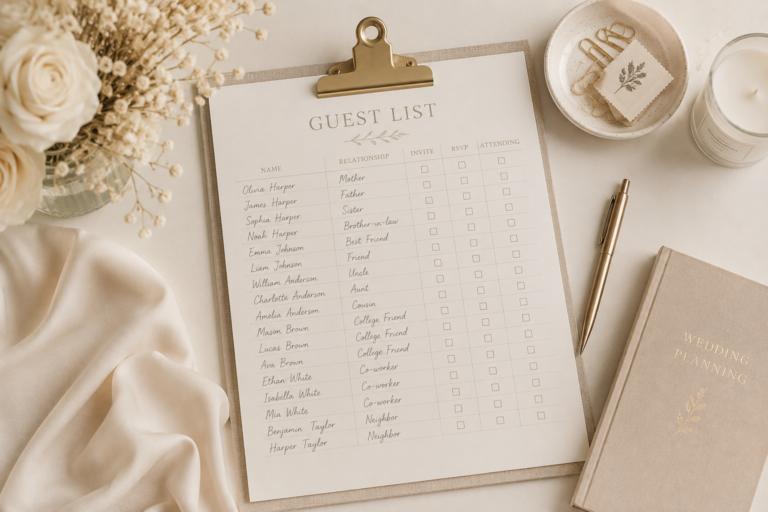
Be Strategic About Your Guest List
Guest count plays a huge role in your overall wedding budget!
Because many costs are calculated per guest, each additional person increases expenses in multiple categories.
These costs often include:
- Catering
- Rentals and table settings
- Invitations and stationery
- Wedding favors
- Transportation
- Bar service
For example, if catering costs $150 per guest, inviting 25 additional guests could increase your total cost by nearly $4,000.
For this reason, many couples in 2026 are choosing smaller, more selective guest lists.
Popular trends include:
- Intimate weddings with 50–80 guests
- Destination weddings with close family and friends
- Dinner-party style receptions
- Weekend celebrations with curated guest experiences
A smaller guest list often allows couples to elevate the experience for everyone attending.
Consider Off-Peak Wedding Dates
The date you choose can also affect your wedding budget.
Peak wedding season typically runs from May through October, with Saturdays being the most popular and expensive days.
Choosing an off-peak date can sometimes lead to meaningful savings.
Options to consider include:
- Friday weddings
- Sunday celebrations
- Winter weddings
- Early spring weddings
- Late fall weddings
Many venues offer reduced pricing during slower seasons, and vendors may have more flexibility when their schedules are less crowded.
Off-peak weddings can also feel more unique and relaxed compared to peak summer celebrations.
Decide Where to Save
Not every wedding detail needs to be elaborate in order to feel beautiful!
In fact, many of the most elegant weddings focus on a few impactful elements rather than trying to do everything.
Couples often choose to simplify certain details in order to invest more in their priorities.
Areas where couples commonly save include:
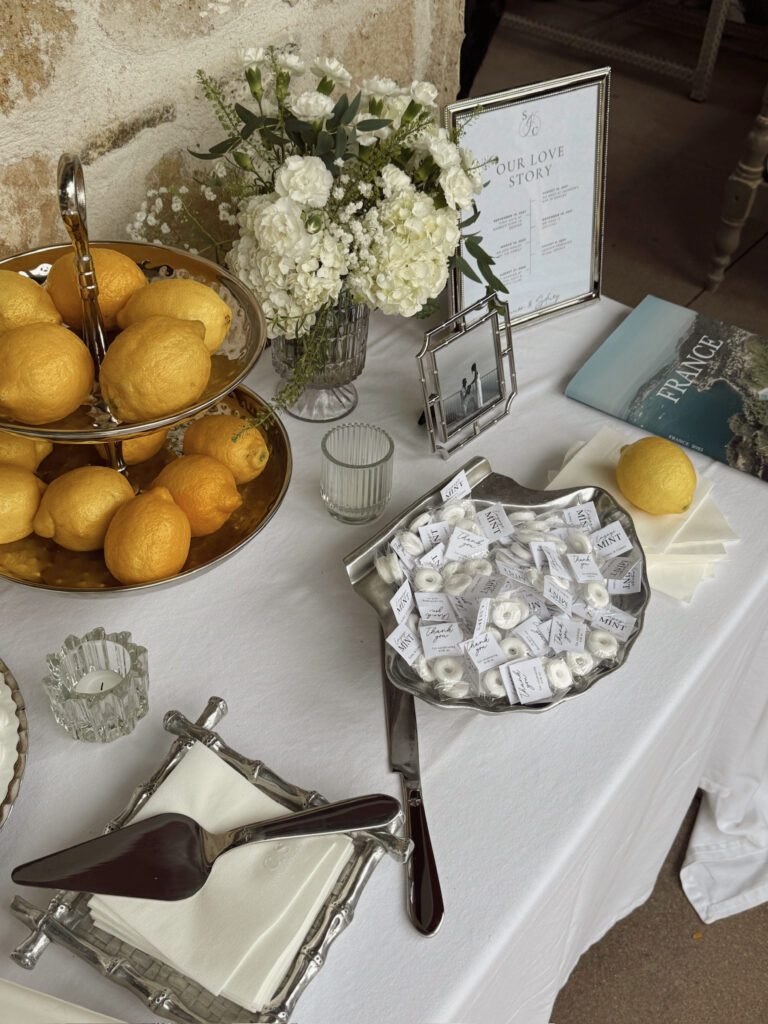
- Wedding favors
- Printed ceremony programs
- Elaborate signage
- Large bridal parties
- Multiple outfit changes
- Overly complicated décor
Guests rarely notice every individual detail. What they remember most is the overall atmosphere of the event. How they felt. Yes, the wedding is to celebrate your love, but the guest experience is also important!
Investing in food, music, lighting, and hospitality often has the biggest impact on the guest experience.
Work With Vendors Who Respect Your Budget
Choosing the right vendors can make a huge difference in how smoothly your wedding planning process goes.
Experienced vendors understand how to maximize a budget while still creating a beautiful event.
When meeting potential vendors, it’s perfectly acceptable to discuss your budget openly. Transparency helps vendors recommend options that work within your price range.
For example:
A florist may suggest seasonal blooms instead of rare imported flowers.
A planner may recommend design ideas that reduce rental costs while still achieving the look you want.
Working with vendors who understand your financial goals makes the planning process far more enjoyable.
Plan Your Vendor Payment Timeline
Most wedding vendors require deposits when you sign a contract, followed by additional payments closer to the wedding date.
Understanding this payment schedule can help you plan ahead.
Typical vendor payment structures include:
- Initial deposit (20–50%)
- Midway installment
- Final balance due 30–60 days before the wedding
Creating a simple timeline of upcoming payments helps you stay organized and avoid surprises.
Many couples align vendor payments with savings goals or pay periods to keep the process manageable.
Remember the Purpose of the Day!
Wedding planning can sometimes feel overwhelming, especially when managing budgets and logistics.
But it’s important to remember the true purpose of the day.
Your wedding is a celebration of your relationship and the beginning of your life together.
The most memorable weddings are rarely defined by how much money was spent. Instead, they are remembered for the joy, warmth, and connection shared between the couple and their guests.
Whether you’re planning an elegant destination wedding, a mountain celebration, or an intimate gathering, what matters most is that the day reflects your story.
A thoughtful budget simply allows you to plan confidently and enjoy the experience.
Final Thoughts
Wedding budgeting in 2026 doesn’t have to feel stressful. With a clear plan, thoughtful priorities, and organized tracking, it’s entirely possible to create a wedding that feels beautiful and meaningful without overspending.
By setting a realistic budget, prioritizing what matters most, and being intentional with your guest list and vendors, you can design a celebration that reflects your values and your style.
The goal isn’t to have the most expensive wedding.
The goal is to create a day that feels unforgettable—and to begin your marriage feeling confident about the future you’re building together.
For more ideas and advice, view HERE.
This post may contain links to affiliate websites, such as Amazon and Benable, and I may receive an affiliate commission (at not cost to you!) for any purchases made by you using these links. I appreciate your support!